
Search This Supplers Products:wire rodwire rodprepainted galvanized coilpc wirehot rolled steel plate/striproof roll forming machine
Checkered Steel Plate
sourceJUNNAN NEWS
publisherGloria
time2026/06/15
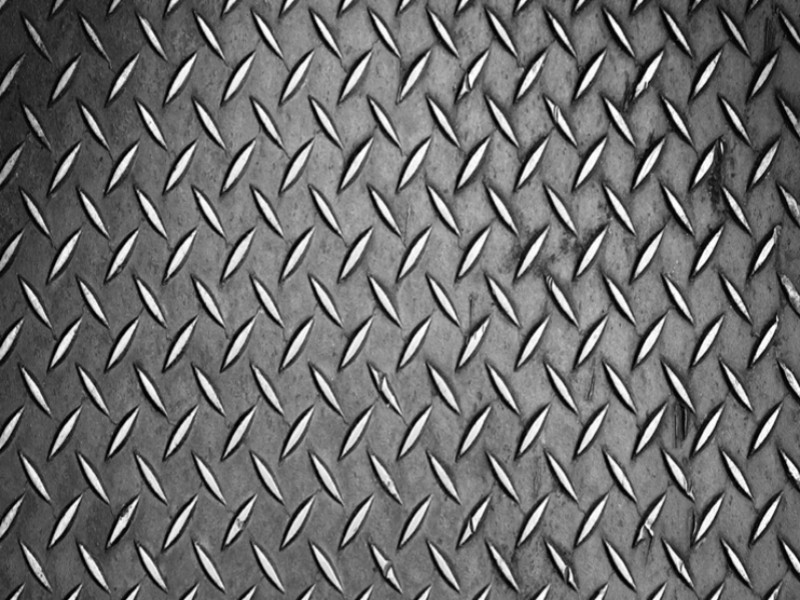
- In the realm of industrial infrastructure and modern architecture, safety and durability are the primary metrics of quality. Among the various structural steel products, the Checkered Steel Plate—also known as diamond plate or tread plate—stands out as an indispensable material.
The Essential Anti-Slip Solution in Modern Construction
In the realm of industrial infrastructure and modern architecture, safety and durability are the primary metrics of quality. Among the various structural steel products, the Checkered Steel Plate—also known as diamond plate or tread plate—stands out as an indispensable material. Characterized by its raised patterns on one side, this specialized steel plate is engineered to provide superior traction and structural integrity.
As global urbanization accelerates, the demand for high-performance anti-slip surfaces in transport, energy, and civil engineering continues to rise. Understanding the technical nuances of checkered plates is essential for procurement managers and structural engineers who aim to balance functionality with cost-effectiveness in large-scale projects.
Understanding Patterns, Materials, and Manufacturing
To the uninitiated, steel checker plate might seem like simple embossed metal, but their manufacturing involves precise metallurgical engineering.
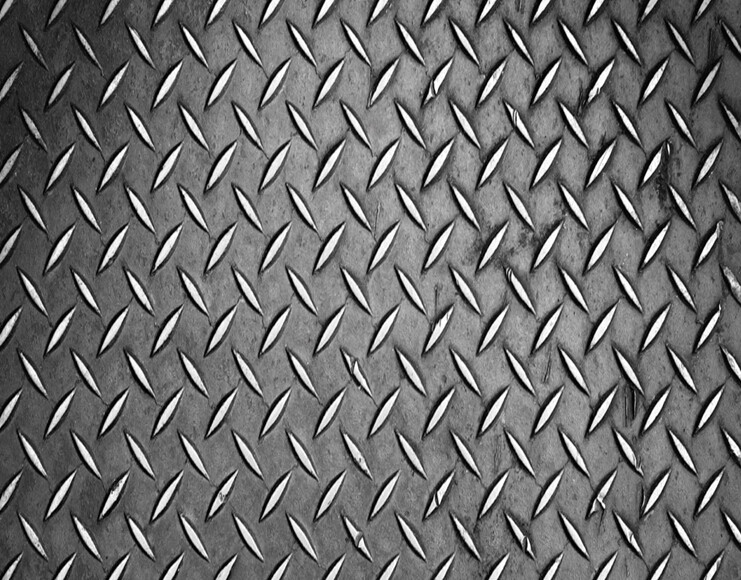
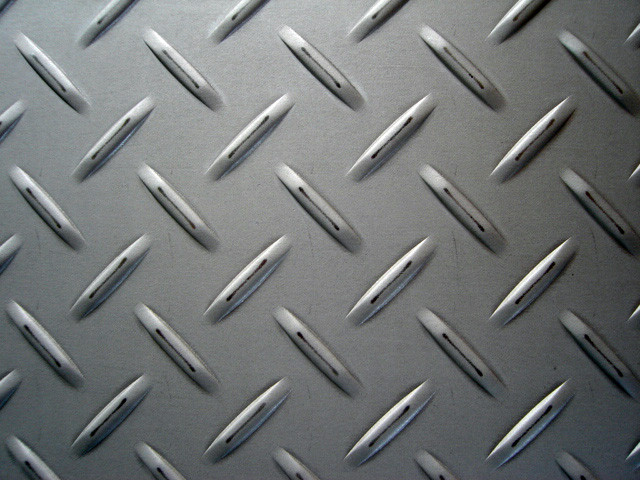
Pattern Varieties & Functions: The "checkered" design is not merely aesthetic. Common patterns include the teardrop (lentil-shaped), diamond, and bean-shaped patterns. These raised textures increase friction significantly, making the surface slip-resistant even in wet, oily, or icy conditions.
Teardrop Pattern: The most widely used for industrial flooring due to its balanced friction and ease of cleaning.
Diamond Pattern: Preferred for decorative purposes and heavy-duty stair treads.
Material Grades & Standards: Checker plate sheet are typically manufactured from hot-rolled carbon steel, stainless steel, or aluminum. For heavy industrial use, carbon steel grades like ASTM A36, Q235B, and S235JR are the global standards. These grades provide the necessary tensile strength and weldability required for load-bearing structures.
Manufacturing Process: High-quality checkered plates are produced through a hot-rolling process where the steel passes through specialized rollers that emboss the pattern onto one side of the plate while keeping the other side flat. This ensures the structural thickness of the plate remains consistent, providing stable load distribution.
Diverse Applications: From Industrial Flooring to Marine Engineering
The versatility of checkered steel plates makes them a staple in multiple sectors across the globe.
Transportation & Logistics: Used extensively for truck bed flooring, trailer ramps, and ambulance floors to prevent cargo shifting and ensure personnel safety.
Industrial Infrastructure: Vital for power plant walkways, oil rig platforms, and factory mezzanine floors where moisture and lubricants pose slip hazards.
Public Safety & Urban Construction: Found in fire escapes, subway stairs, and pedestrian overpasses. Its durability ensures it can withstand high-frequency foot traffic for decades.
Marine & Offshore Projects: Galvanized checkered plates are essential for dock surfaces and ship decks, providing corrosion resistance against harsh saltwater environments.
Why Choose Junnan Steel? 20 Years of Metallurgy Excellence
When sourcing ms chequered plate for international projects, reliability is non-negotiable. Junnan Steel stands as a beacon of quality and professional integrity in the global steel market.
Deep Industry Expertise: Since our establishment in 2015, we have been backed by a leadership team with 20 years of experience in the steel industry. We don't just supply products; we provide technical solutions tailored to the specific environmental challenges of your project.
Proven Global Track Record: Our steel products have been successfully exported to 118 countries. Whether you are operating in the humid climates of Southeast Asia, the industrial zones of the Middle East, or infrastructure projects in Africa and South America, we understand your local quality standards and logistical requirements.
Superior Quality Control: At Junnan Steel, we focus on what matters most to buyers: precise pattern height for maximum friction, accurate coating thickness for corrosion resistance, and verified mechanical properties.
Stable Delivery & Global Logistics: We leverage our mature supply chain to ensure stable delivery cycles, helping our partners keep their projects on schedule and within budget.
For high-performance checkered steel plates that combine safety with structural longevity, Junnan Steel is your trusted global partner.